s3lf.tech (exhibition)
2026
Solo show, 40mcube, Rennes
With the support of: CNC; Fondation des Artistes; Villa Kujoyama (Institut français, Institut français du Japon and Bettencourt Schueller Foundation); 40mcube; Ambivalences (Electroni[k], Oblique/s, Station Mir and Stereolux); SCAM
Solo show, 40mcube, Rennes
With the support of: CNC; Fondation des Artistes; Villa Kujoyama (Institut français, Institut français du Japon and Bettencourt Schueller Foundation); 40mcube; Ambivalences (Electroni[k], Oblique/s, Station Mir and Stereolux); SCAM
The exhibition s3lf.tech by Émilie Brout & Maxime Marion is the first part of a project developed following their 2025 residency at Villa Kujoyama in Japan. It brings together video installations, objects, online extensions on social media, and the website of the same name. A second chapter will unfold in September at Zoo art center in Nantes.
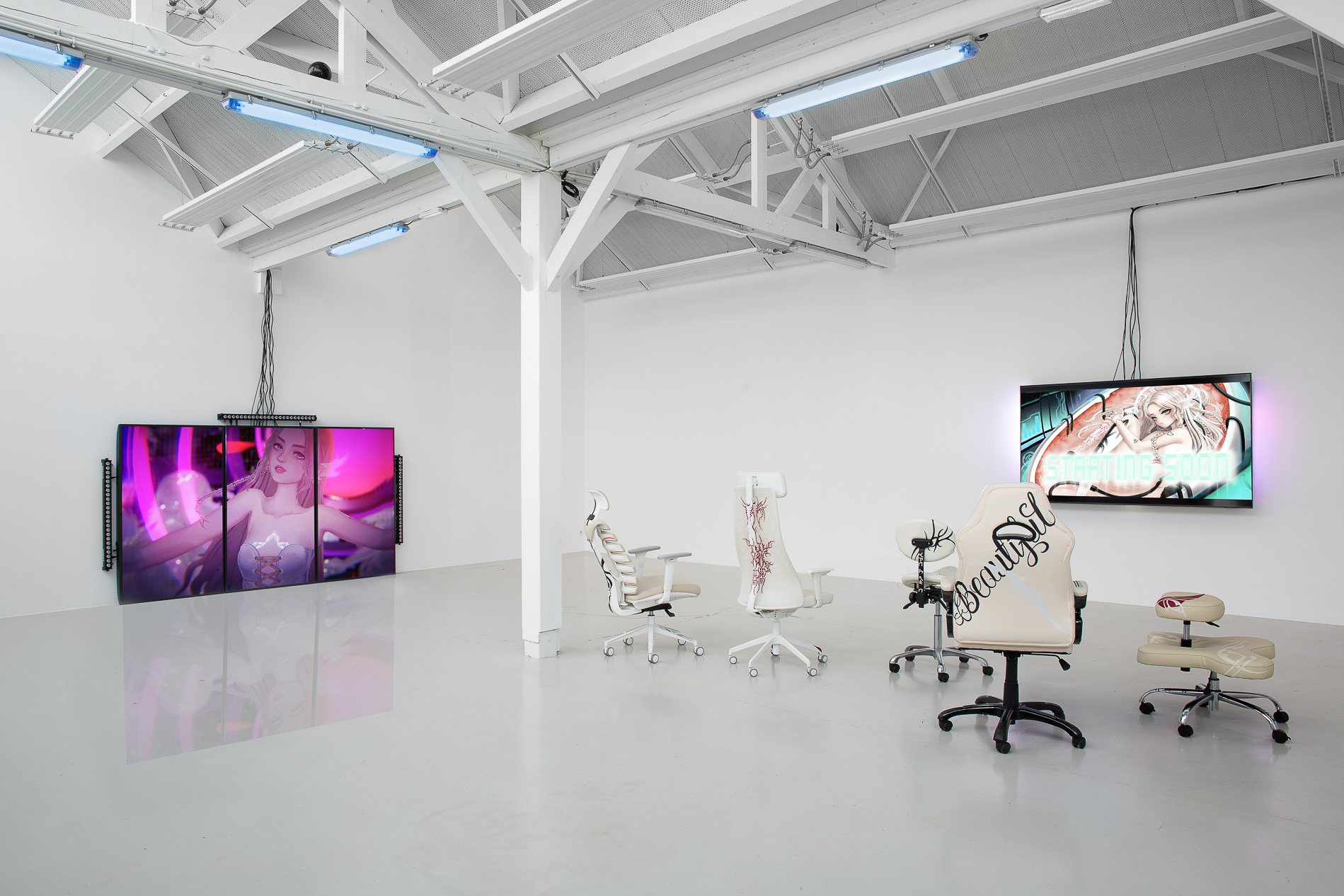
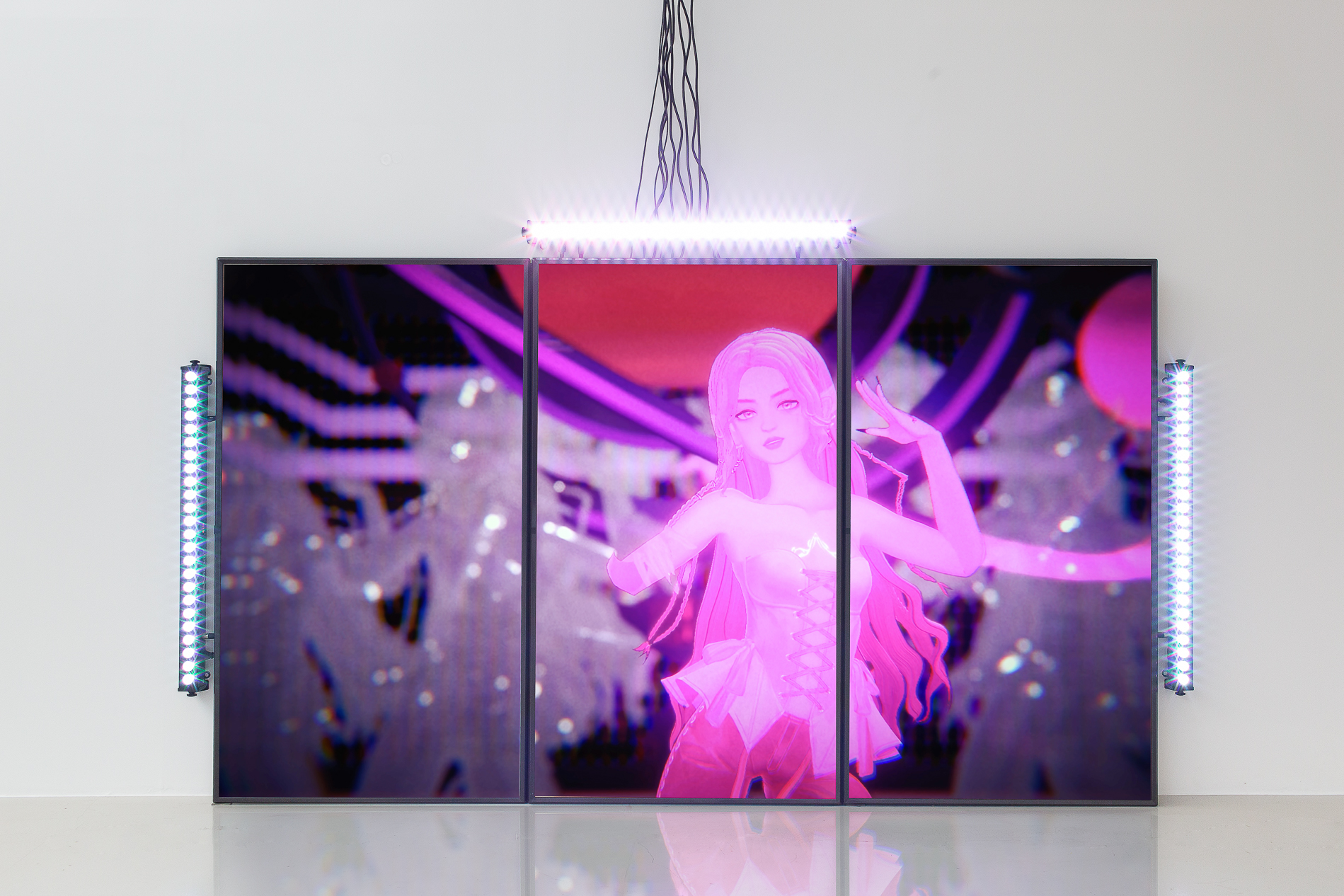
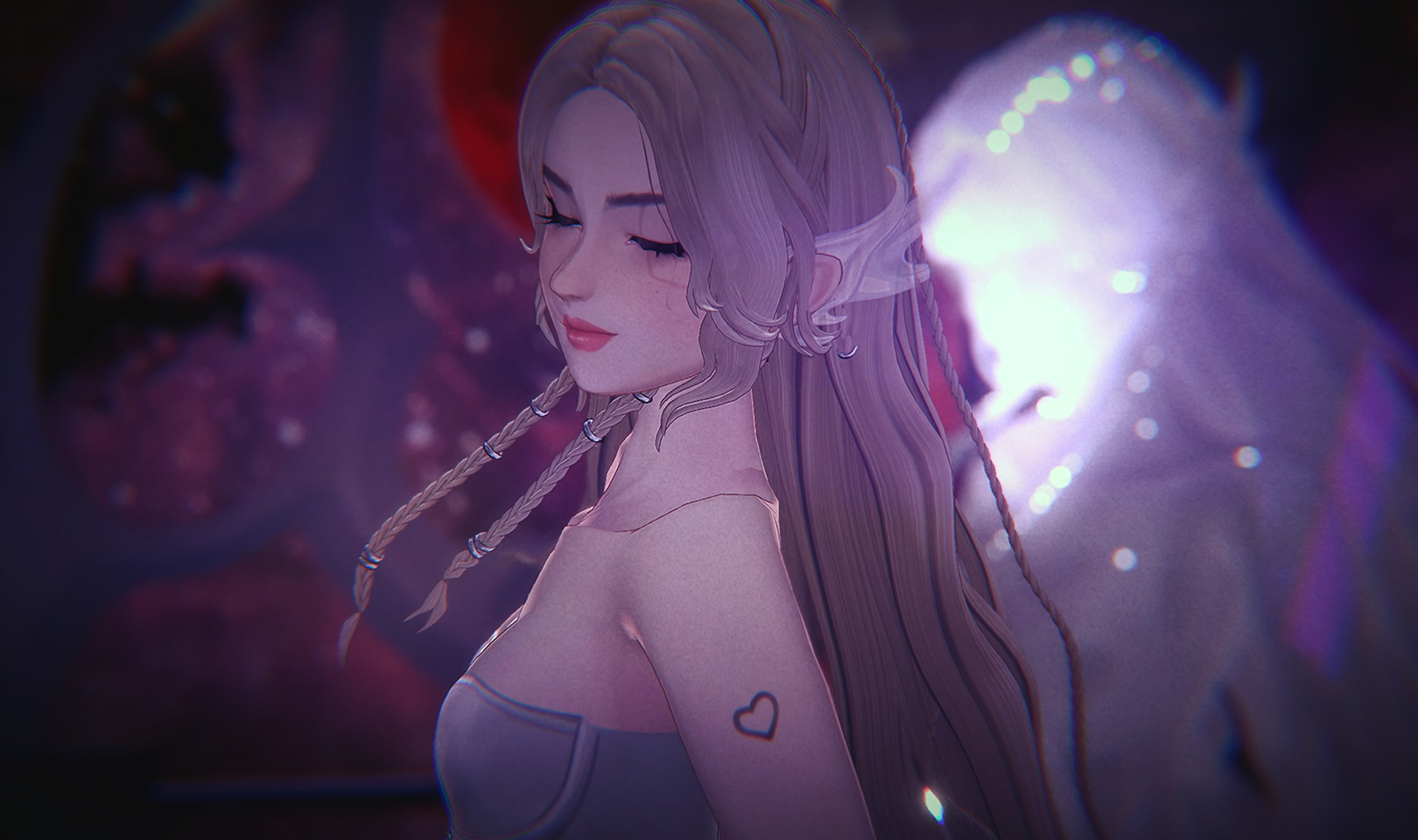
Taking VTubing1, fan fiction2, cultures of customization3, and BJD communities4 as their starting points, Émilie Brout & Maxime Marion explore different forms of self-projection mediated by contemporary digital technologies. At the heart of the exhibition, the figure of Grim3s, freely inspired by the universe of pop star Grimes, appears in two distinct films. One resembles a slow, hypnotic music video; the other takes the form of a streamed exchange with her fans.
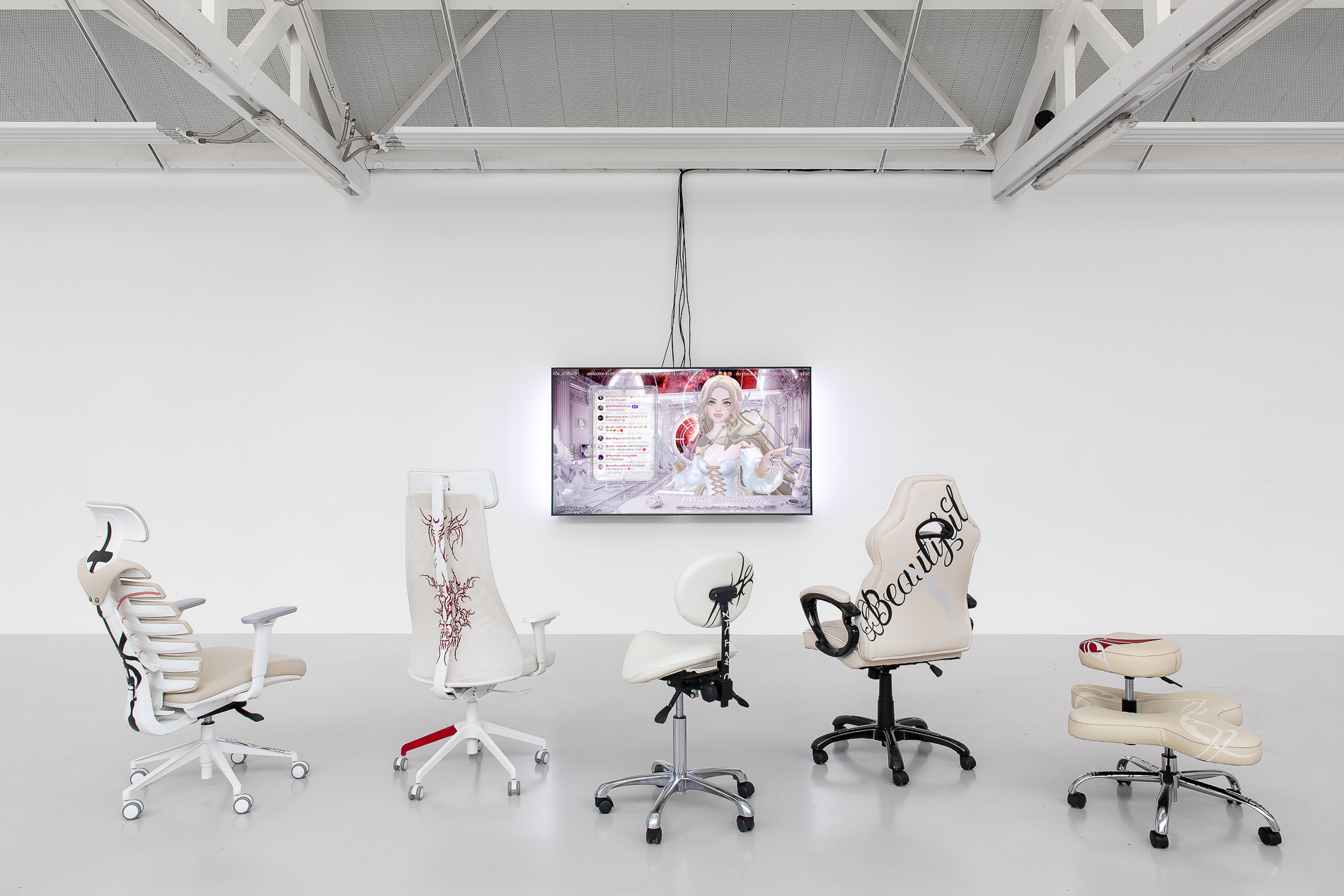
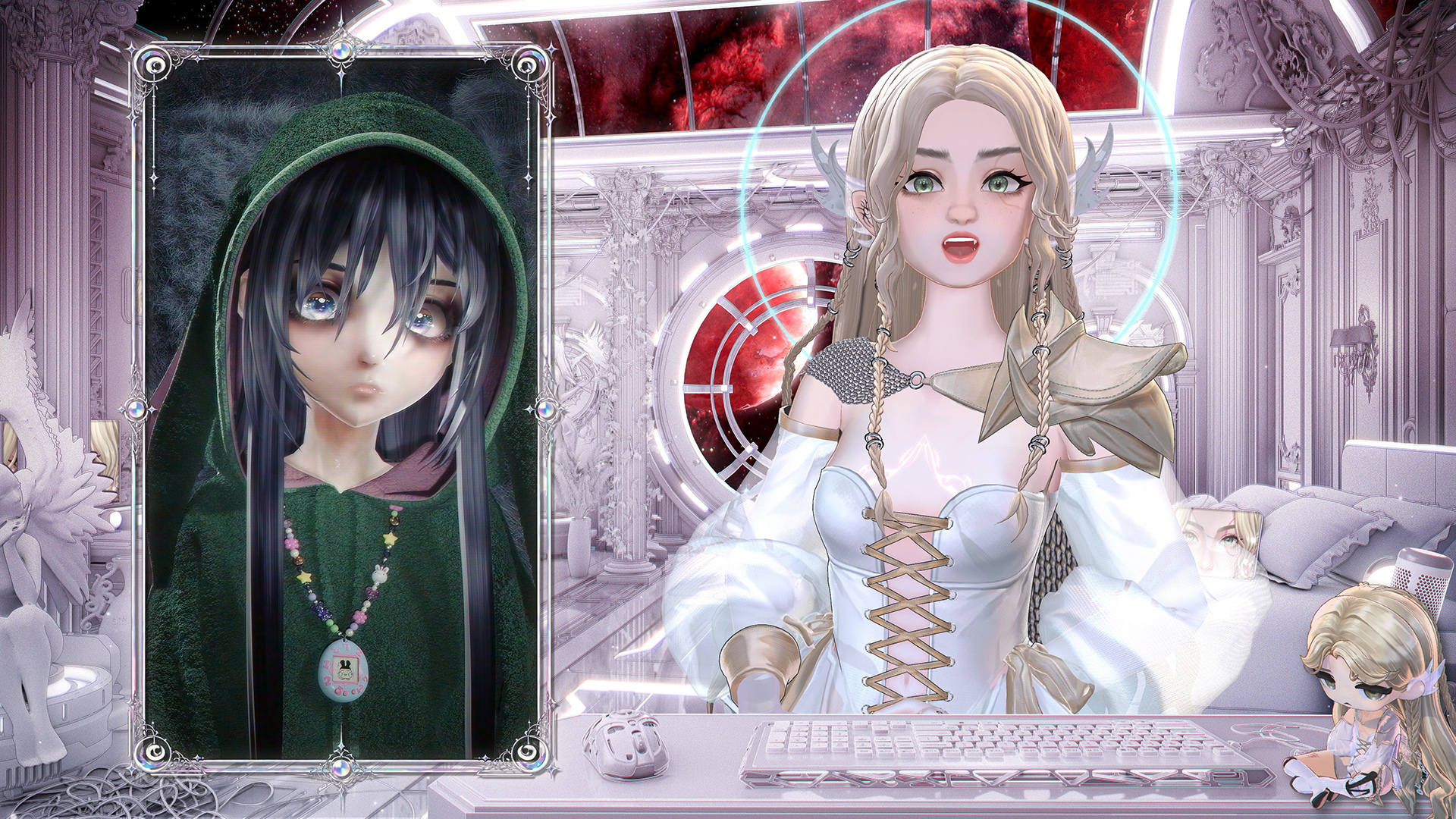
In this fiction, Grim3s attempts to emerge as a virtual idol within a saturated ecosystem. Émilie Brout & Maxime Marion draw on www.elf.tech, a tool created by Grimes that allows any voice to be converted into her own. Here, they extend its logic into a fictional tool for the multiplication of the self, s3lf.tech, echoing the notion of “technologies of the self”5, transposed into digital environments with their interfaces, objects, fictions, and modes of embodiment. It is this technology that Grim3s, in a desire for control marked by doubt and fragility, presents to her fans in a video that Émilie Brout & Maxime Marion actually streamed on YouTube. Comments and questions appear in the chat window, to which the artist responds. The film ends with a technical glitch that exposes its own apparatus.
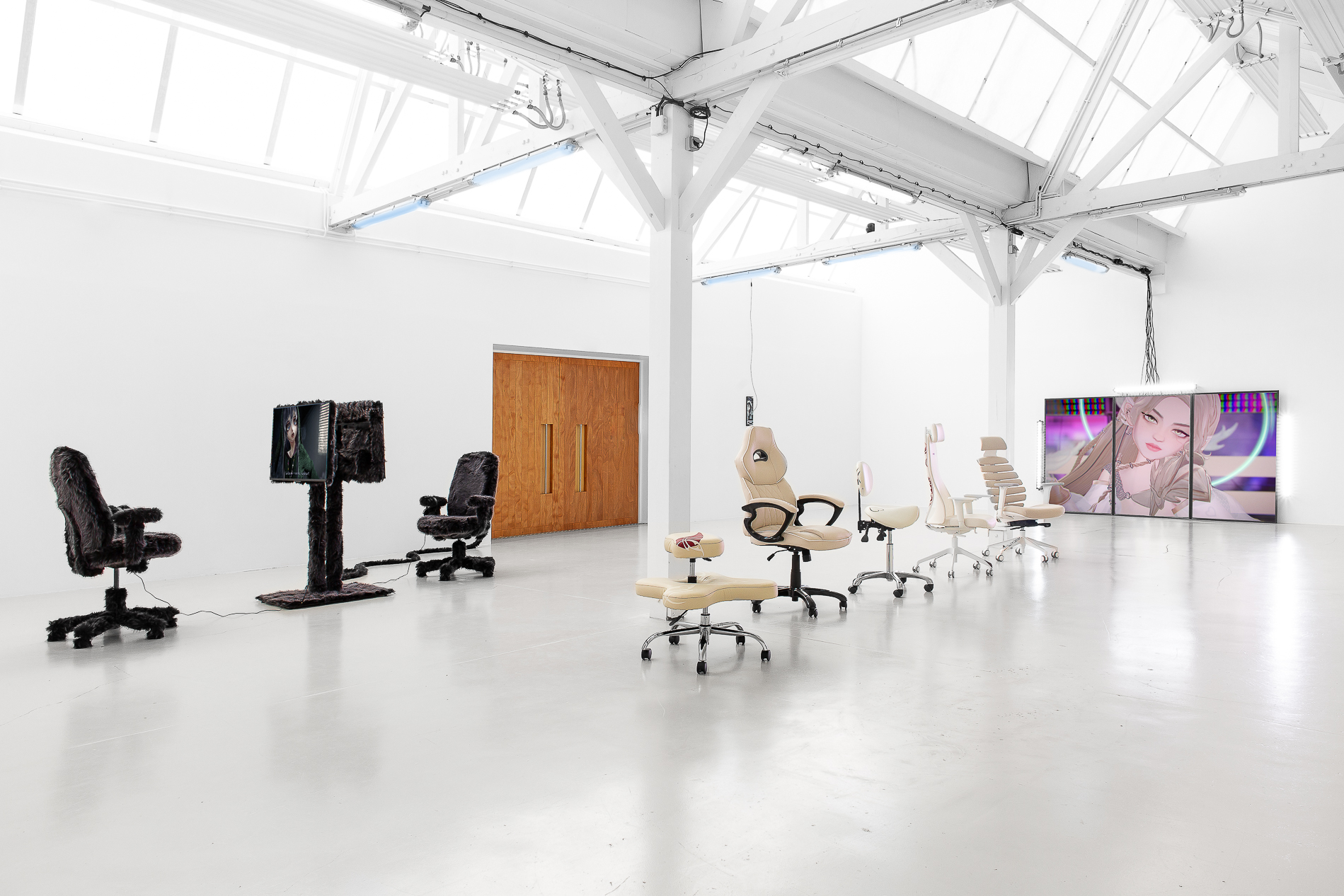
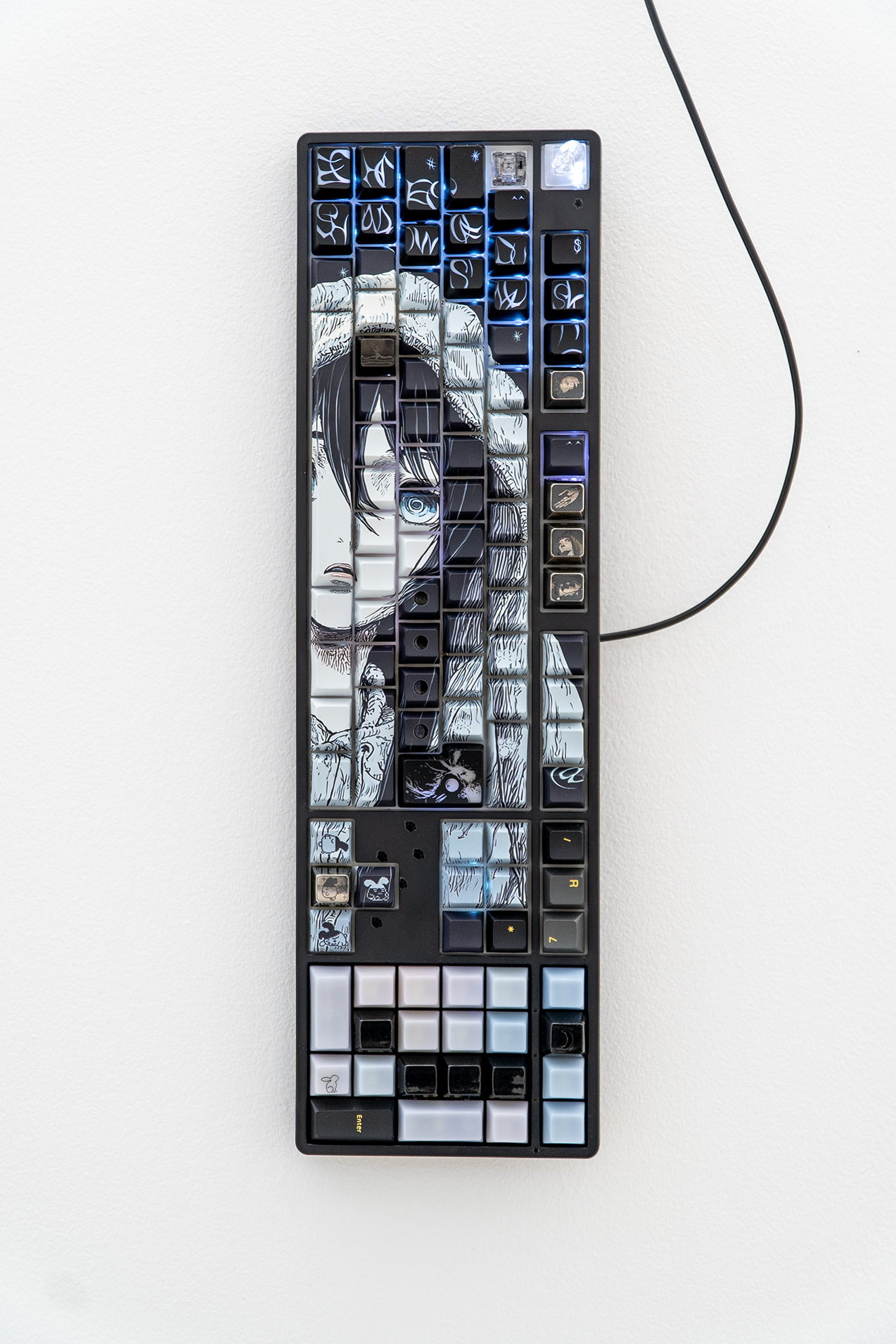
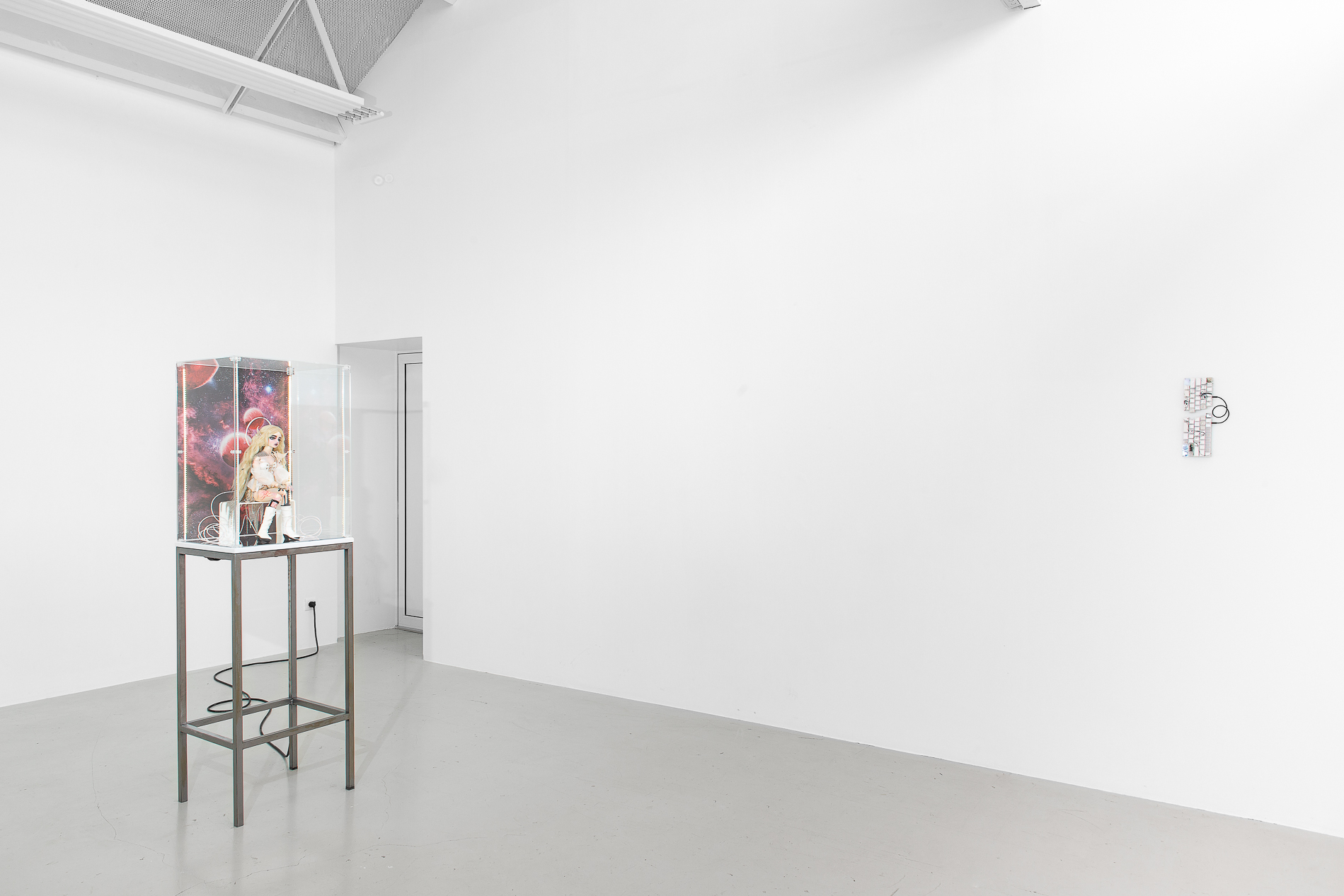
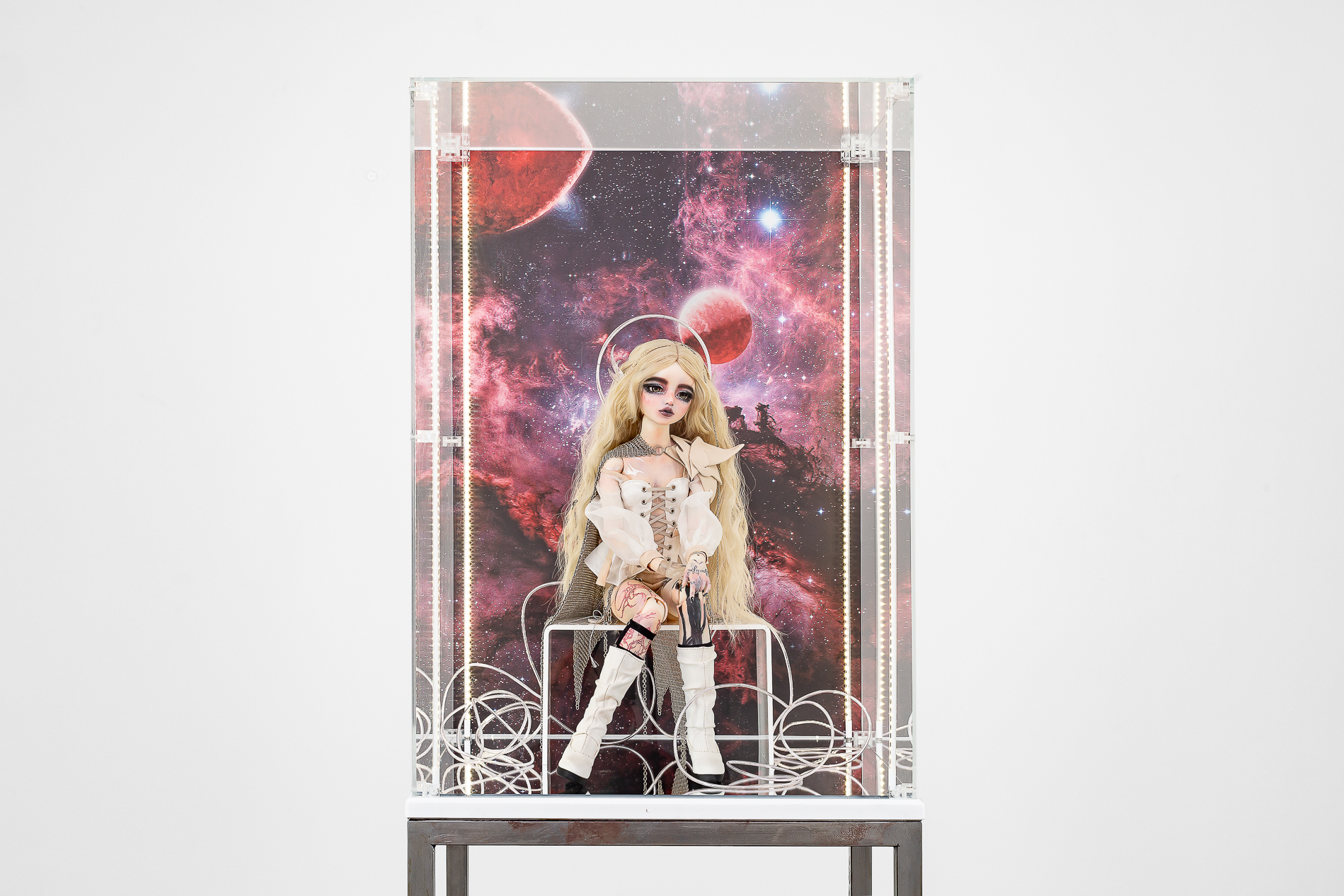
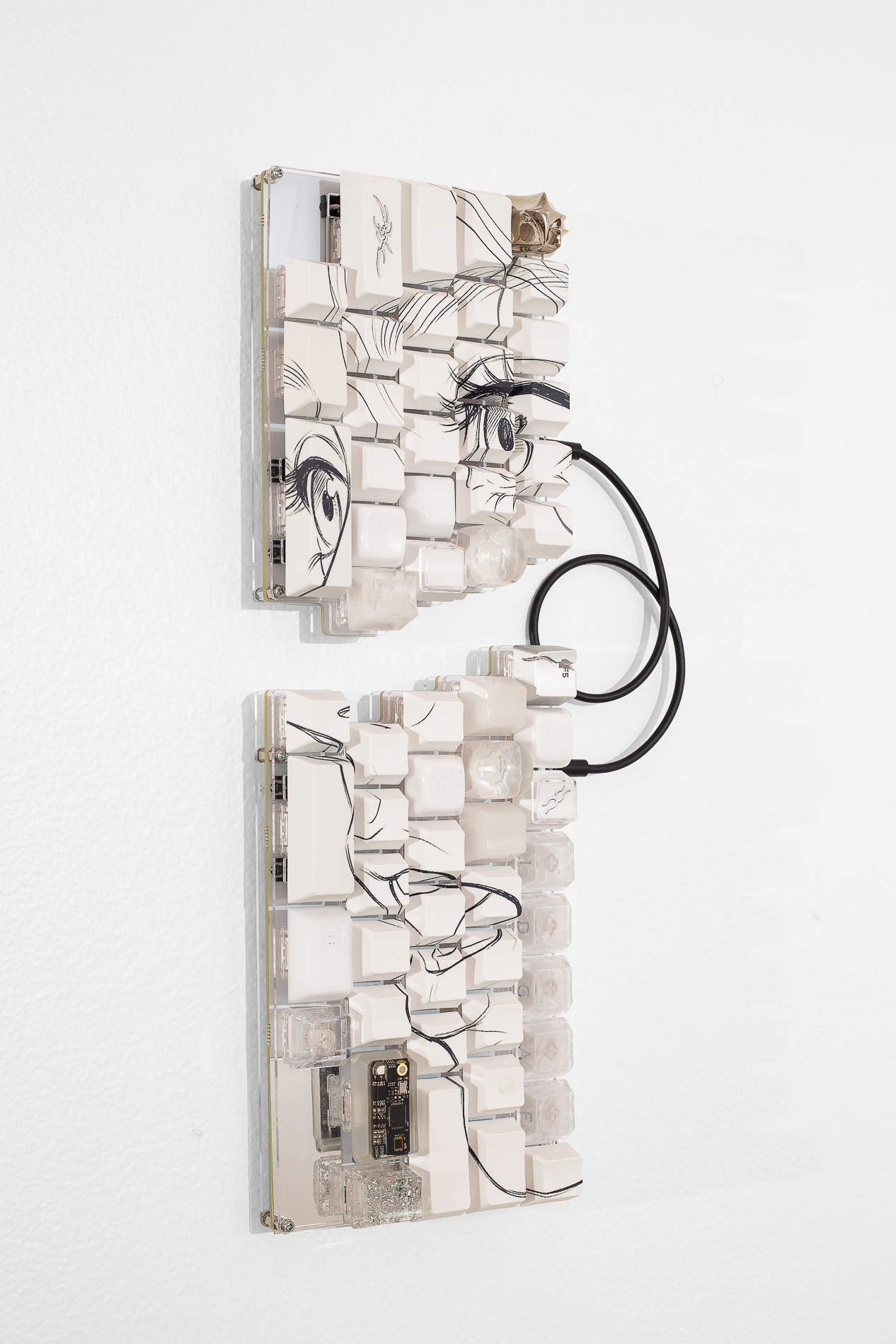
Around the central figure of Grim3s revolve several works that question what it means to identify with an image, inhabit a character, or become attached to a virtual presence — technical objects, effigies, avatars, and fictional bodies echoing one another within a deliberately unstable ensemble. To convey this effect of multiplication, the artists explore various image-production technologies, including animation, motion capture, 3D, and artificial intelligence. The doll bearing her likeness, which appears in the video, reappears at the end of the exhibition, presented like a relic in a display case. It was produced by Volks, the pioneering company behind the popularization of contemporary BJDs.
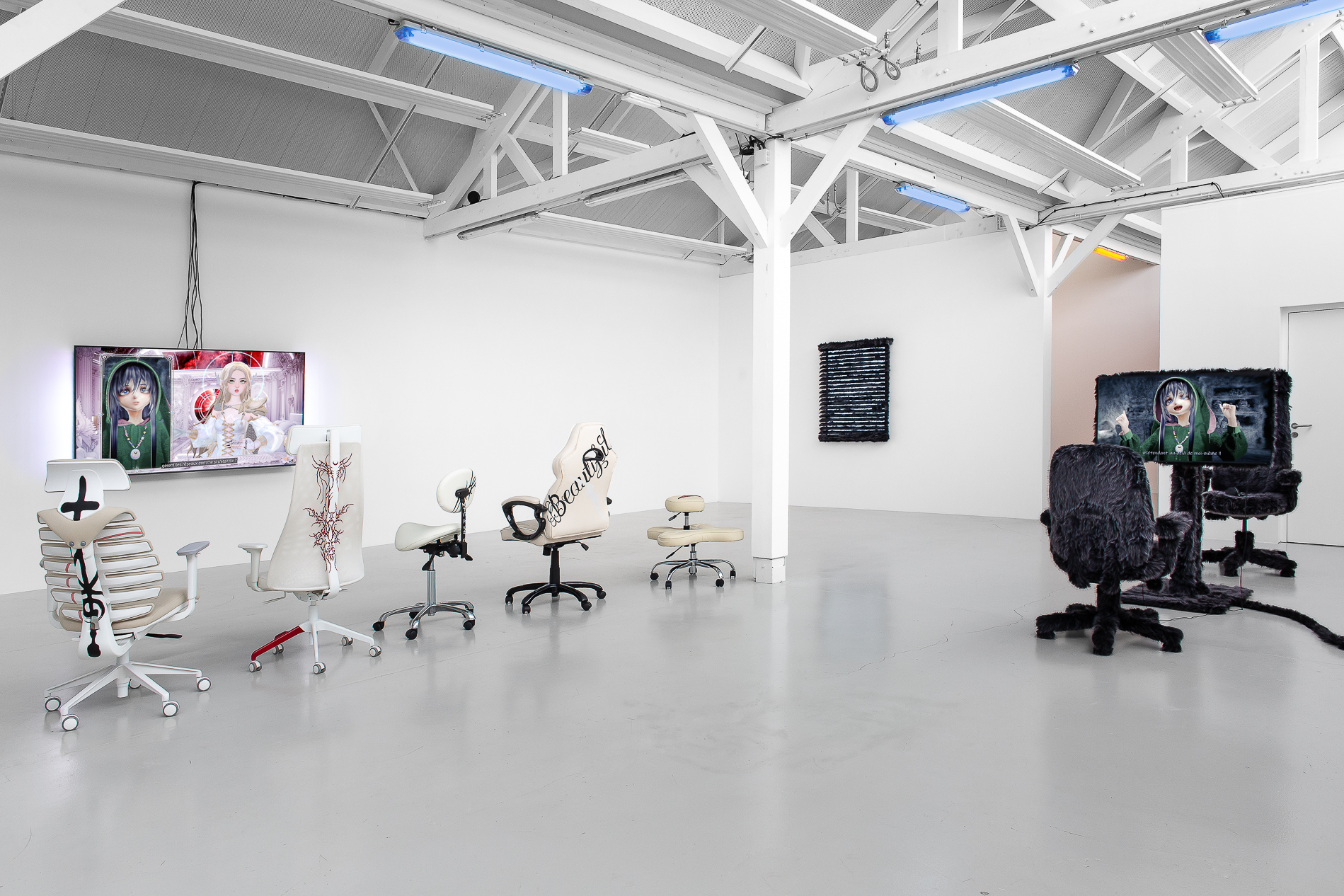
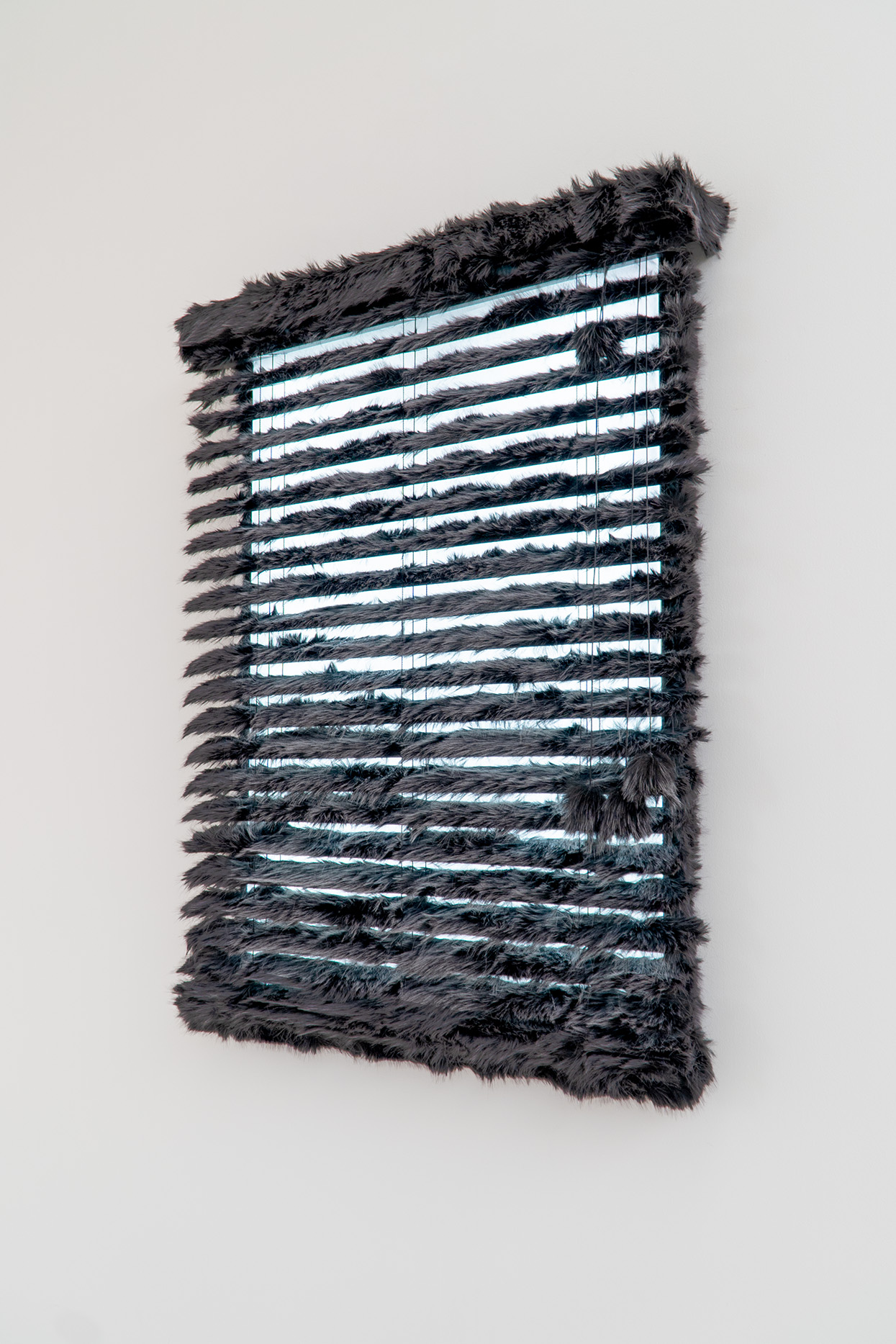
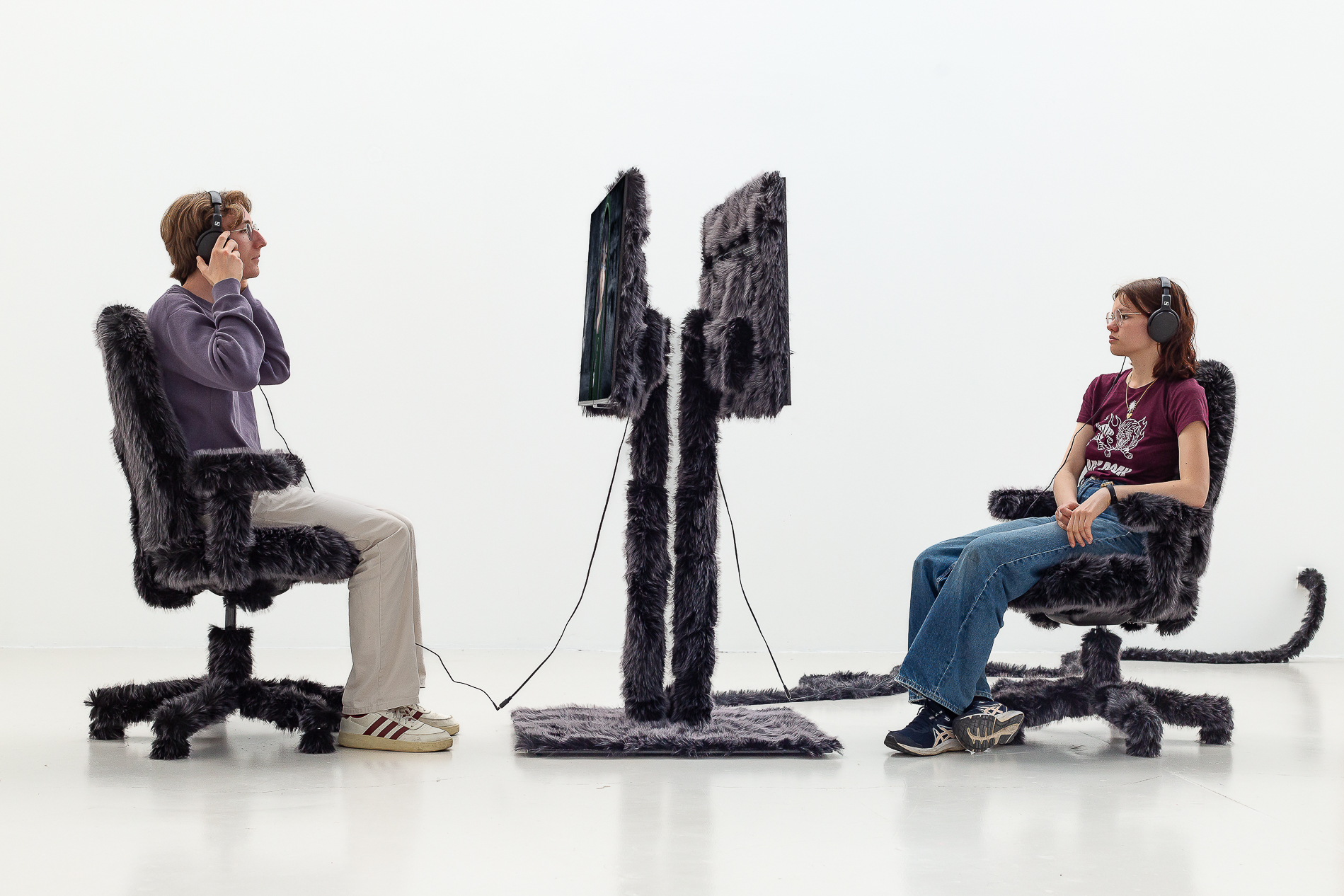
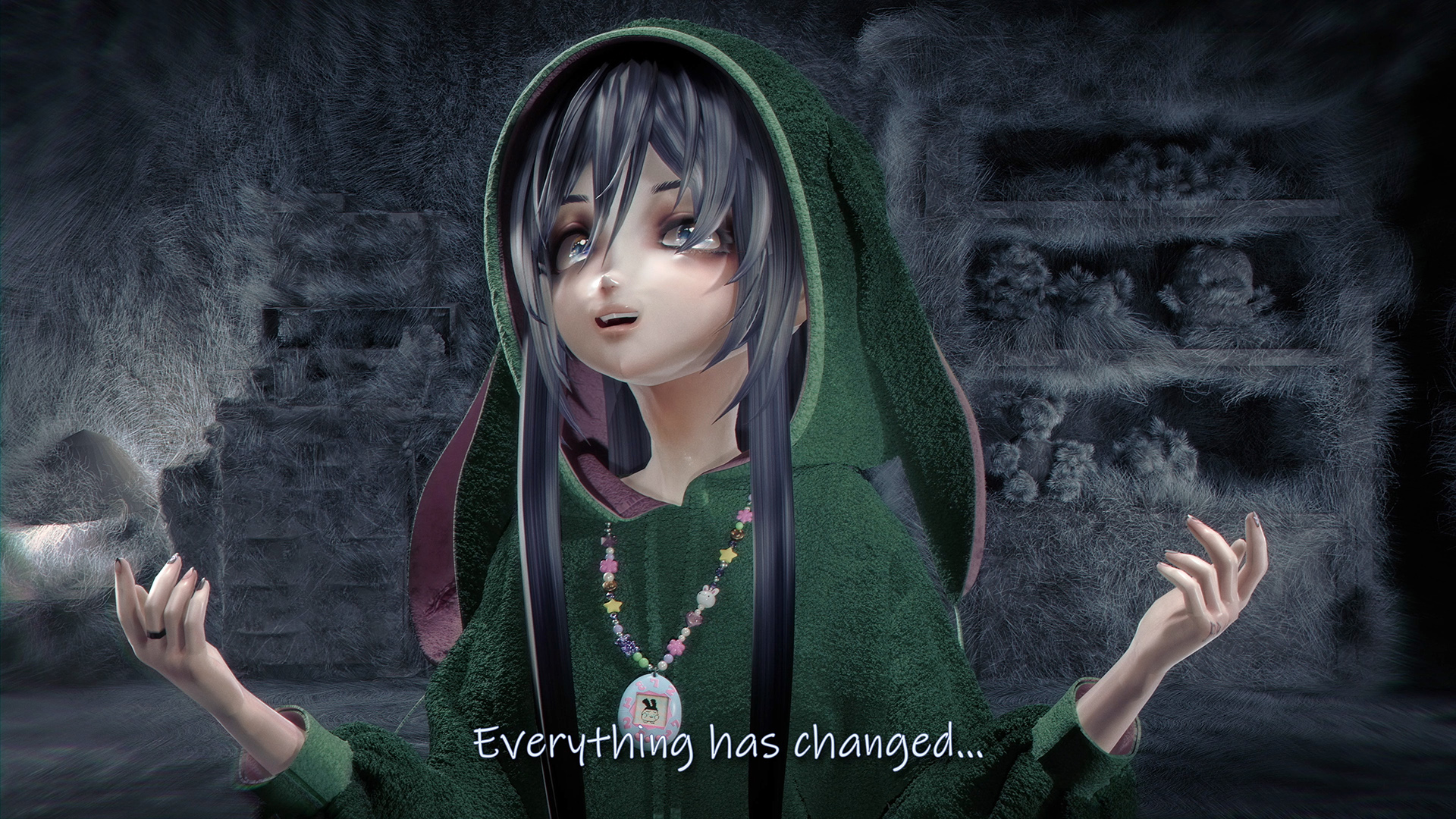
In her video, Grim3s invites Kageusa, a young VTuber, to promote her invention. The same character appears in the exhibition’s third film, where she speaks of an exhaustion that borders on vertigo. The camera’s shifting point of view constantly moves between who is speaking, who is watching, and who is being watched. The film’s black fur-covered environment spreads onto the screens and seats, extending into the exhibition space itself.
Grim3s and Kageusa thus crystallize several contradictions specific to contemporary digital cultures: promises of empowerment, techno-utopian fantasy, the commodification of intimacy, and troubling ideological slippages. The exhibition s3lf.tech unfolds a world that is both seductive and uneasy, where the boundaries between authenticity, fiction, and reproduction become increasingly porous. It stages the parasocial relationships produced by the evolution of the web, in which viewers can interact with a mediated persona and come to feel close to them. The videos by Émilie Brout & Maxime Marion address us directly, creating shifts that unsettle both points of view and the status of the entities involved. These intermediate regimes of presence — between alter ego, character, synthetic idol, and technical double — do not simply overlay a pre-existing personality. They act back upon it, displacing and reshaping it. Beyond the ways digital environments act upon identities, desires, and relationships, the artists also question the belief these environments generate in themselves, at a time when images proliferate, drift out of control, and acquire a form of online autonomy.
s3lf.tech continues beyond the exhibition space through songs, documents, broadcasts, and various elements published online — notably on the website www.s3lf.tech. Through these different forms and formats, which converse with and infiltrate one another, the artists create a system that reproduces and incorporates the broader system of the internet. By mastering the codes they subtly disrupt, Émilie Brout & Maxime Marion extend fiction into reality, blurring its thresholds.
1 VTubing is a streaming practice, a variant of YouTubing, in which a person represents themself through an avatar controlled in real time.
2 Fan fiction allows fans to extend the storyline of a media product (novel, film, series, etc.) according to the developments they wish to imagine.
3 Personalization.
4 Ball Jointed Doll: an articulated doll. The term BJD more specifically refers to contemporary Asian dolls made of resin or porcelain. They are especially popular in Japan, South Korea, and China.
5 Michel Foucault, The Care of the Self, Paris : Gallimard, 1984.
Anne Langlois
Taking VTubing1, fan fiction2, cultures of customization3, and BJD communities4 as their starting points, Émilie Brout & Maxime Marion explore different forms of self-projection mediated by contemporary digital technologies. At the heart of the exhibition, the figure of Grim3s, freely inspired by the universe of pop star Grimes, appears in two distinct films. One resembles a slow, hypnotic music video; the other takes the form of a streamed exchange with her fans.
In this fiction, Grim3s attempts to emerge as a virtual idol within a saturated ecosystem. Émilie Brout & Maxime Marion draw on www.elf.tech, a tool created by Grimes that allows any voice to be converted into her own. Here, they extend its logic into a fictional tool for the multiplication of the self, s3lf.tech, echoing the notion of “technologies of the self”5, transposed into digital environments with their interfaces, objects, fictions, and modes of embodiment. It is this technology that Grim3s, in a desire for control marked by doubt and fragility, presents to her fans in a video that Émilie Brout & Maxime Marion actually streamed on YouTube. Comments and questions appear in the chat window, to which the artist responds. The film ends with a technical glitch that exposes its own apparatus.
Around the central figure of Grim3s revolve several works that question what it means to identify with an image, inhabit a character, or become attached to a virtual presence — technical objects, effigies, avatars, and fictional bodies echoing one another within a deliberately unstable ensemble. To convey this effect of multiplication, the artists explore various image-production technologies, including animation, motion capture, 3D, and artificial intelligence. The doll bearing her likeness, which appears in the video, reappears at the end of the exhibition, presented like a relic in a display case. It was produced by Volks, the pioneering company behind the popularization of contemporary BJDs.
In her video, Grim3s invites Kageusa, a young VTuber, to promote her invention. The same character appears in the exhibition’s third film, where she speaks of an exhaustion that borders on vertigo. The camera’s shifting point of view constantly moves between who is speaking, who is watching, and who is being watched. The film’s black fur-covered environment spreads onto the screens and seats, extending into the exhibition space itself.
Grim3s and Kageusa thus crystallize several contradictions specific to contemporary digital cultures: promises of empowerment, techno-utopian fantasy, the commodification of intimacy, and troubling ideological slippages. The exhibition s3lf.tech unfolds a world that is both seductive and uneasy, where the boundaries between authenticity, fiction, and reproduction become increasingly porous. It stages the parasocial relationships produced by the evolution of the web, in which viewers can interact with a mediated persona and come to feel close to them. The videos by Émilie Brout & Maxime Marion address us directly, creating shifts that unsettle both points of view and the status of the entities involved. These intermediate regimes of presence — between alter ego, character, synthetic idol, and technical double — do not simply overlay a pre-existing personality. They act back upon it, displacing and reshaping it. Beyond the ways digital environments act upon identities, desires, and relationships, the artists also question the belief these environments generate in themselves, at a time when images proliferate, drift out of control, and acquire a form of online autonomy.
s3lf.tech continues beyond the exhibition space through songs, documents, broadcasts, and various elements published online — notably on the website www.s3lf.tech. Through these different forms and formats, which converse with and infiltrate one another, the artists create a system that reproduces and incorporates the broader system of the internet. By mastering the codes they subtly disrupt, Émilie Brout & Maxime Marion extend fiction into reality, blurring its thresholds.
1 VTubing is a streaming practice, a variant of YouTubing, in which a person represents themself through an avatar controlled in real time.
2 Fan fiction allows fans to extend the storyline of a media product (novel, film, series, etc.) according to the developments they wish to imagine.
3 Personalization.
4 Ball Jointed Doll: an articulated doll. The term BJD more specifically refers to contemporary Asian dolls made of resin or porcelain. They are especially popular in Japan, South Korea, and China.
5 Michel Foucault, The Care of the Self, Paris : Gallimard, 1984.
Anne Langlois
Associated works >
s3lf.techdo you feel that too?
Grim3s' Angel